

Alex Blaszczynski — My Biography and Career in Gambling Research
My name is Alex Blaszczynski. I am a clinical psychologist and academic researcher whose work has focused for more than three decades on understanding gambling behaviour, problem gambling, and behavioural addiction. Over the course of my career, I have combined clinical treatment, empirical research, and public policy advisory work in an effort to better understand gambling-related harm and improve prevention and intervention strategies.
I have been affiliated for much of my professional life with the University of Sydney, where I served as Professor of Clinical Psychology and contributed to the development of specialised research and treatment programs addressing gambling disorder.
My research has explored the psychological, behavioural, and social mechanisms underlying gambling, including impulse control, cognitive distortions, and comorbid mental health conditions.
Early academic path and clinical formation
I trained in psychology in Australia, specialising in clinical psychology and behavioural disorders. Early in my clinical work, I treated individuals experiencing a wide range of impulse-control and addictive behaviours. These included substance dependencies, compulsive disorders, and emerging behavioural addictions.
Through clinical exposure, I became increasingly aware of the profound psychological and social harm associated with disordered gambling. At the time, gambling addiction was still insufficiently understood compared with substance-related disorders. I saw a need for structured research that could inform both treatment and policy.
This clinical foundation shaped my research trajectory. Rather than approaching gambling purely from a theoretical perspective, my work has always been grounded in real patient presentations, treatment outcomes, and longitudinal behavioural patterns.
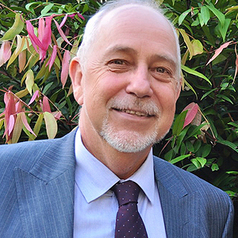
University of Sydney — academic and research leadership
A central part of my career has been my work at the University of Sydney, where I held the position of Professor of Clinical Psychology.
In this role, I was involved in:
- teaching clinical psychology
- supervising postgraduate and doctoral research
- conducting empirical studies
- collaborating with multidisciplinary research groups
My academic interests included gambling disorder, impulse-control behaviours, mental models of risk, and behavioural addiction more broadly.
Over time, my work extended beyond academia into advisory roles, public health discussions, and international collaborations addressing responsible gambling frameworks.
Gambling Treatment & Research Clinic
One of the most meaningful components of my career has been my involvement in the Gambling Treatment & Research Clinic at the University of Sydney, where I served in leadership and director roles.
The clinic integrates treatment delivery with active research, allowing clinicians and researchers to evaluate intervention strategies in real clinical populations. Each year, such programs contribute to treatment and support for large numbers of individuals affected by gambling harm.
Our work within clinical settings has included:
- cognitive-behavioural therapy interventions
- relapse prevention models
- family counselling frameworks
- evaluation of harm-minimisation tools
By embedding research within treatment environments, we have been able to test therapeutic approaches in real-world contexts rather than purely laboratory settings.
Research focus areas
Throughout my career, my research has examined multiple psychological dimensions of gambling.
Gambling disorder and behavioural addiction
I have studied gambling as a behavioural addiction, examining its similarities and distinctions relative to substance use disorders. This includes reinforcement mechanisms, tolerance-like processes, and behavioural escalation.
Impulse control and personality factors
A major area of interest has been impulsivity and its relationship to gambling severity. Impulse-control deficits often intersect with risk-taking, decision-making biases, and reward sensitivity.
Cognitive distortions
Gambling environments reinforce distorted thinking patterns, including:
- illusion of control
- probability misjudgement
- chasing losses
- superstitious belief systems
Understanding these distortions has been critical for treatment design.
Comorbid mental health conditions
Research has consistently shown links between gambling harm and depression, anxiety, trauma, and substance use. Integrated treatment models must therefore address co-occurring disorders rather than gambling in isolation.
The Pathways Model of Problem Gambling
One of my most widely recognised contributions is the development of the Pathways Model of Problem Gambling, created in collaboration with Lia Nower.
The model was designed to integrate biological, psychological, developmental, and ecological determinants of gambling harm into a unified conceptual framework.
Rather than viewing problem gamblers as a homogeneous population, the model identifies distinct subgroups characterised by different etiological drivers and clinical needs.
The three pathways
- Behaviourally Conditioned Gamblers Individuals whose problems emerge primarily through reinforcement, exposure, and environmental conditioning.
- Emotionally Vulnerable Gamblers Individuals who gamble to regulate mood, cope with distress, or escape psychological pain.
- Antisocial / Impulsivist Gamblers Individuals characterised by impulsivity, personality pathology, and broader psychosocial dysfunction.
This typology has informed both treatment matching and prevention frameworks across multiple jurisdictions.
The model remains one of the most cited theoretical frameworks in gambling studies.
Publication impact and academic output
Over the course of my career, I have contributed extensively to peer-reviewed literature addressing gambling psychology, addiction, and responsible gambling.
My Google Scholar profile reflects tens of thousands of citations across research on gambling disorder, behavioural addiction, and impulse-control conditions.
My work spans topics such as:
- responsible gambling frameworks
- internet gambling behaviour
- treatment outcomes
- suicidality and gambling harm
- cognitive-behavioural interventions
Research collaborations have also examined the psychological impact of emerging gambling technologies and online betting environments.
Key Publications
| Year | Publication | Journal / Source | Link |
|---|---|---|---|
| 2002 | A Pathways Model of Problem and Pathological Gambling | Addiction | View Publication |
| 2012 | Internet vs Non-Internet Gamblers | Computers in Human Behavior | View Publication |
| 2016 | Mental Health and Online Gamblers | Journal of Gambling Studies | View Publication |
Books / Editorial Work
| Role | Publication / Contribution | Publisher | Link |
|---|---|---|---|
| Editor | International Gambling Studies | Academic Journal | Journal Page |
| Author / Contributor | Responsible Gambling Frameworks | Academic Press | Publisher |
All Workplaces
| Institution | Role | Focus Area | Country |
|---|---|---|---|
| University of Sydney | Professor of Clinical Psychology | Gambling research & addiction | Australia |
| Gambling Treatment & Research Clinic | Director | Clinical treatment & trials | Australia |
| Responsible Gambling Research Group | Chair / Research Lead | Policy & harm minimisation | International |
Advancing the Pathways Model — deeper clinical implications
As my clinical and research work progressed, I became increasingly convinced that gambling disorder could not be adequately understood through a single explanatory lens. Patients presented with different psychological histories, motivations, vulnerabilities, and behavioural trajectories.
The Pathways Model, which I developed with Lia Nower, was designed to reflect this heterogeneity in a structured, clinically usable way. Rather than treating all individuals experiencing gambling harm as a uniform population, we proposed three distinct pathways based on etiological drivers and psychological functioning.
Behaviourally Conditioned Pathway
This group includes individuals whose gambling problems develop primarily through reinforcement and conditioning processes. Early gambling wins, accessibility of gambling venues, and environmental exposure play major roles.
These individuals often:
- begin gambling recreationally
- escalate gradually
- develop distorted beliefs about skill and probability
- respond well to cognitive-behavioural interventions
Importantly, they typically present with fewer pre-existing psychological vulnerabilities compared with other subgroups.
Emotionally Vulnerable Pathway
In this pathway, gambling functions as a maladaptive coping mechanism. Individuals may experience depression, anxiety, trauma histories, or chronic stress and turn to gambling as a form of emotional escape or regulation.
Common clinical features include:
- gambling during emotional distress
- dissociative or numbing experiences while gambling
- higher comorbidity rates
- shame and secrecy
Treatment here must extend beyond behavioural control and address underlying affective drivers.
Antisocial / Impulsivist Pathway
The third pathway represents individuals with high impulsivity, risk-taking, and often broader psychosocial dysfunction. This group may exhibit:
- substance misuse
- antisocial traits
- attention deficits
- poor executive functioning
Their gambling harm tends to be more severe, earlier in onset, and resistant to standard interventions. Multimodal treatment approaches are typically required.
Clinical treatment approaches I have worked with
Throughout my career, I have remained committed to integrating empirical research with therapeutic practice. Treatment of gambling disorder requires both behavioural and psychological intervention frameworks.
Cognitive Behavioural Therapy (CBT)
CBT has consistently demonstrated effectiveness in treating gambling disorder. Within clinical settings, interventions often focus on:
- identifying gambling triggers
- restructuring cognitive distortions
- building financial control strategies
- relapse prevention planning
CBT also addresses erroneous beliefs around probability, luck, and skill—core maintaining mechanisms in gambling harm.
Motivational Interviewing
Many individuals entering treatment are ambivalent about change. Motivational interviewing techniques help:
- enhance readiness for change
- explore consequences
- strengthen intrinsic motivation
This approach is particularly useful in early treatment engagement.
Relapse prevention frameworks
Relapse prevention work includes:
- identifying high-risk situations
- developing behavioural alternatives
- strengthening coping mechanisms
- implementing financial barriers
Long-term recovery often depends on sustained behavioural restructuring rather than short-term abstinence alone.
Pharmacological adjuncts
While gambling disorder is primarily treated psychologically, some pharmacological interventions have been explored, particularly where comorbid conditions are present. These include treatments targeting:
- depression
- impulse control
- mood instability
Medication is rarely a standalone solution but may support therapeutic work.
Responsible gambling and harm minimisation policy
Beyond clinical treatment, I have been deeply involved in responsible gambling and harm-minimisation policy development. Effective harm reduction requires systemic interventions, not only individual treatment.
Policy frameworks I have contributed to discussions around include:
- self-exclusion systems
- deposit and loss limits
- venue-based interventions
- player activity monitoring
- public education campaigns
The goal is always prevention where possible, and early intervention where risk is detected.
Advisory and regulatory collaboration
My work has involved collaboration with government bodies, regulators, and international research groups. Academic research can play a critical role in informing evidence-based regulation.
Advisory contributions have included:
- expert panels on gambling harm
- policy consultations
- regulatory impact assessments
- responsible advertising frameworks
Such collaborations ensure research findings translate into actionable protections.
International speaking and conference work
Over the course of my career, I have presented research findings at international conferences, academic congresses, and regulatory summits. These engagements allow cross-jurisdiction knowledge exchange on emerging risks, technological change, and treatment innovation.
Key speaking themes have included:
- online gambling risk profiles
- emerging betting technologies
- harm-minimisation evaluation
- treatment efficacy research
Policy & Advisory Roles
| Organisation | Role | Focus Area | Region |
|---|---|---|---|
| Government advisory panels | Expert Consultant | Gambling harm policy | Australia |
| Responsible Gambling initiatives | Research Advisor | Prevention tools | International |
| Regulatory consultations | Policy Contributor | Consumer protection | Multi-jurisdiction |
Research Grants & Collaborations
| Project Area | Type | Focus | Scope |
|---|---|---|---|
| Online Gambling Behaviour | Research Grant | Digital risk patterns | International |
| Treatment Effectiveness | Clinical Study | CBT outcomes | Australia |
| Harm Minimisation Tools | Policy Research | Player protection | Multi-region |
Editorial and journal leadership
In addition to research and clinical work, I have contributed to academic publishing, including editorial roles within gambling studies journals. Editorial work plays a critical role in shaping research quality, peer review standards, and emerging scholarly discourse.
Ongoing research legacy
My academic output spans decades and continues to influence multiple domains:
- behavioural addiction classification
- online gambling risk research
- treatment evaluation science
- responsible gambling systems design
Through supervision, collaboration, and publication, I have sought to support the next generation of researchers entering the gambling studies field.
Reflecting on my career, I see gambling research as a field that has evolved significantly—from marginal academic interest to a recognised public health priority. My goal has always been to ensure that research serves clinical, societal, and preventative purposes.
Understanding gambling harm requires nuance, compassion, and scientific rigour. Whether through theoretical models, treatment innovation, or policy collaboration, my work has aimed to contribute to safer gambling environments and more effective support systems for those affected.